
Why is SEO Important?
When we search for something on the internet, we’re far more likely to click one of the first few results Google shows us than to scroll further down the page. As a result, the traffic generated by search engines — Google above all — has become the primary entrance to the internet for most websites.
Organic traffic refers to visitors who arrive at your website through unpaid search engine results, as opposed to a paid ad. This traffic tends to appear more credible to visitors and typically earns more clicks than paid advertisements sitting right next to it.
Search engine optimization (SEO) is how a website earns that valuable organic traffic in the first place. “On-page SEO” and “off-page SEO” are the two main categories of factors that determine where a page ends up in the search results, and understanding both is essential for anyone trying to grow a website’s visibility without relying entirely on paid advertising.
This guide covers what SEO actually is, the on-page and off-page factors that influence your ranking, how crawlability and indexability work behind the scenes, and practical SEO tips and free tools you can start using today.
What is SEO?
Search engine optimization or SEO is a marketing strategy that consists of optimizing your web pages to help them obtain a higher rank position on the search engines results.
What is On-page SEO?
On-page SEO refers mainly to the content and structure of your site. All these include your content, images, internal links, sitemaps, the overall quality of your code, and the speed of your site.
On-page SEO: Website Structure

Website Speed
The most important pages on a website need to load fast, since users tend to abandon a slow-loading website within just a few seconds. Search engines generally prioritize faster pages too, since a quick-loading page tends to give visitors a better overall experience.
Recommended tools:
- Pingdom Website Speed Test
- Google PageSpeed Insights
- GTmetrix
- Google Chrome DevTools
Page Titles and Site Structure
For a search engine to rank your website, it needs to know the content of your site. It’s essential for search engines that the title tags, headings, and site structure are consistent, relevant, and that they contain intended keywords.
Mobile-friendliness
Nowadays, the majority of website visitors are coming from a smartphone device. Google’s index is now mobile-first, making this a major factor in the influence on search rankings.
Internal linking
Internal linking is the idea of using hyperlinks to connect all the pages on your site. This strategy provides visitors easy access to other pages on your website. Consequently, it increases your website page SEO authority.
Outbound links
Search engines use outbound linking to check that the content on a website is accurate and credible by creating a bridge between experts on the topic.
Schema Markup
Schema markup is a semantic vocabulary standard that is included in a website that improves the way search engines read the content of your site.
On-page SEO: Relevant Page Content
Website Authority has two components:
- Page authority: provides an important ranking of the content of a single page.
- Domain authority: given to an entire website due to the expertise in a specific topic or popularity.
Rich and Awesome Content
To captivate the reader’s attention, web designers appeal to the reader’s visual stimulation by incorporating multimedia elements (quality photos) and richer content.
Fresh and Relevant Content
Website visitors always expect to find relevant and accurate content when they click on a website. This is why regular updates to your content let search engines know that you are providing up-to-date information.
Keyword Intent
Keywords are phrases in your website that make it possible for potential visitors to find your website via search engines. Keyword intent will narrow the search to a specific topic, consequently helping the user find what they want.
What is Off-page SEO?
Off-page SEO refers to the element of SEO that indirectly influences your website. The external factors that are considered as part of your SEO include hyperlinks from other websites called backlinks.
Off-page SEO: Authority Source
Backlinks in SEO
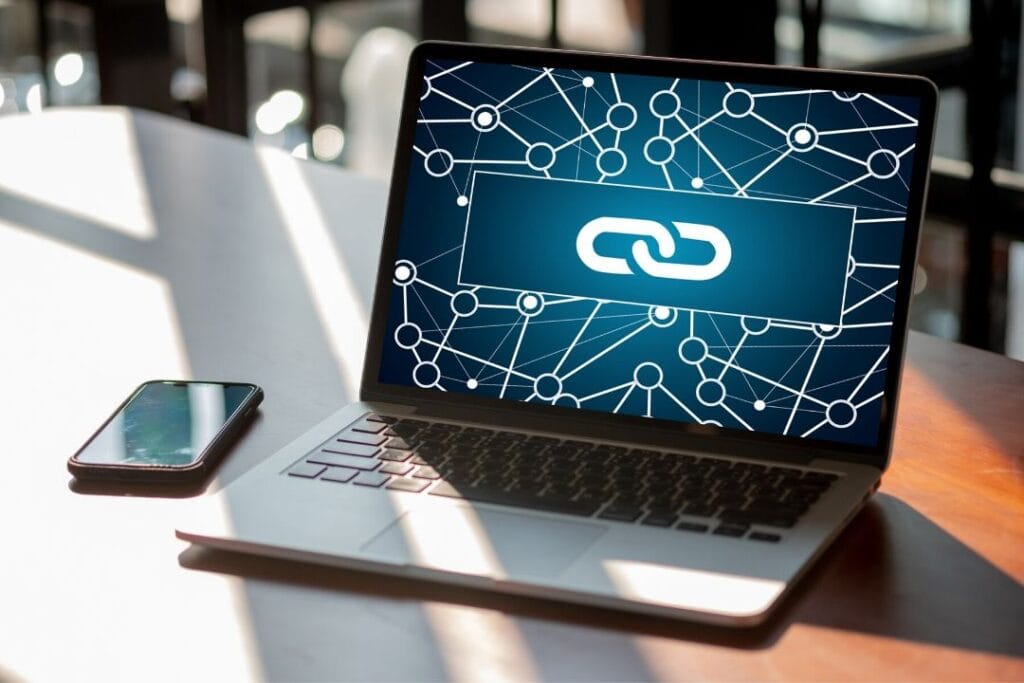
Backlinks or inbound links are links from one website pointing or linking back into your website content. A website with a greater amount of backlinks tends to rank higher for organic traffic.
Brand Awareness
Social media has become the place to go for instant feedback. As a professional company or brand, potential users expect you to be there.
Local SEO
Local SEO refers to optimizing your website and business presence for local searches. A Google Business Profile helps you manage how your business appears in Google Search and Maps. See How to Get Your Business on Google Searches for a walkthrough.
How Does SEO Work?
Two essential elements are crawlability and indexability.
What are Crawlability and Indexability of a Website?
What is Crawlability?
Crawlability is defined as the search engine’s ability to access and crawl content on a page. This works by providing search engines with easy access to all content on a website.
What is Indexability?
Indexability is the search engine process of evaluating your website content and keywords to include them in their catalog or search engine results.
You can check how many pages are indexed by typing site:nameofthewebsite.com.
Basic SEO Tips & Tricks

Meta titles and meta descriptions
These important SEO elements of a web page determine what search engines show its users on the search results page. This metadata is similar to an elevator pitch — you only have a few sentences to convince a potential client.
Headings
Headings are used to organize the information on your page. The point of these headings is that the topics and subtopics are highlighted in a specific, standard order.
Writing Style
The writing style that works best for SEO is to keep your writing as simple, clear, and on point as possible. Start by keeping sentences and paragraphs short. Content marketing is the idea of building an audience motivated to love your brand by creating valuable and relevant content.
Relevancy
Having content that truly addresses the problems your audience is facing is vital. If you want Google to recommend your content to its users, that content needs to bring value to them.
SEO Tools
Free tools recommended:
- SEO Site Checkup
- Seobility
Common Online Questions
Recommended resources include Google Trends, Answer the Public, and keyword.io for brainstorming popular questions that your audience might be asking online.
Trending keywords
Google Trends helps search for popular keywords by location. Ubersuggest is also mentioned as a Keyword Suggestions tool that provides helpful keyword ideas that are working for your competitor.
The Bottom Line
In today’s global market, SEO has become an essential part of any marketing strategy. Search engine optimization is designed to pay off over the long run rather than overnight — on-page factors like site speed, mobile-friendliness, and relevant content work together with off-page factors like backlinks and brand awareness to build a ranking that’s genuinely hard for competitors to displace once it’s established.
Unlike paid advertising, which stops delivering traffic the moment you stop paying, a well-optimized page can continue attracting organic visitors for years after it’s published. That compounding effect is exactly why SEO deserves a place in almost every website’s marketing strategy, even if the results take longer to show up than a paid campaign would.
Start with the fundamentals covered here — fast, mobile-friendly pages, clear titles and headings, genuinely useful content, and a handful of quality backlinks — and build from there. SEO rewards consistency far more than any single quick trick, and how SEO works today will keep evolving, but those fundamentals have remained remarkably stable over time.