
Tag: Linux
Linux Distributions: A Beginner's Guide to Fedora Linux
What Fedora Linux is, its history, Workstation, Server and Spins, release cycle, system requirements, Fedora vs Ubuntu, pros and cons, and who should use it.
Linux Server: A Beginner's Guide to Server Administration
What a Linux server is and how to manage one: choosing a distro, first-login setup, essential commands, users, services, firewall, updates, and backups.
PostgreSQL Backup and Restore: Protecting Your Database
Back up and restore PostgreSQL with pg_dump, pg_restore, and pg_dumpall: backup formats, Docker, automated scripts, physical backups, and restore testing.
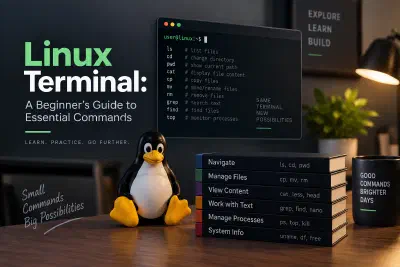
Linux Terminal: A Beginner's Guide to Essential Commands
Learn the Linux terminal from scratch: navigate folders, manage files, read logs, install software, and fix permissions with essential commands and examples.
Linux Distributions: A Beginner's Guide to Linux Mint
What Linux Mint is, its history, Cinnamon, MATE and Xfce editions, system requirements, Mint vs Ubuntu, pros and cons, and who should use it.
Linux Distributions: A Beginner's Guide to openSUSE
What openSUSE is, its history, Tumbleweed vs Leap, YaST and zypper, Btrfs snapshots, system requirements, pros and cons, and who should use it.
Linux Distributions: A Beginner's Guide to Arch Linux
What Arch Linux is, its history, the rolling release model, pacman and the AUR, system requirements, archinstall, pros and cons, and who should use it.
Linux Distributions: A Beginner's Guide to Kali Linux
What Kali Linux is, its history, tools, system requirements, ways to run it safely, Kali vs Ubuntu, pros and cons, and who should (and shouldn't) use it.
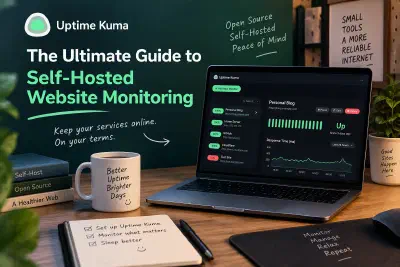
Uptime Kuma: The Ultimate Guide to Self-Hosted Website Monitoring
A step-by-step guide to Uptime Kuma, the free open-source monitor: install with Docker, add monitors, set alerts and status pages, and see why to self-host.
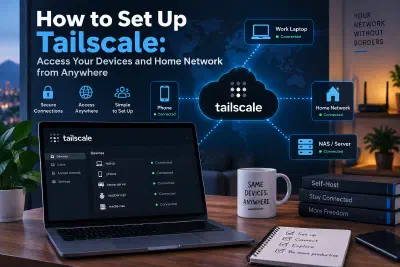
What Is Tailscale? How It Works and How to Set It Up
Tailscale is a mesh VPN that links your devices securely without opening ports. See how it works, how to set it up, and how to reach your home network.
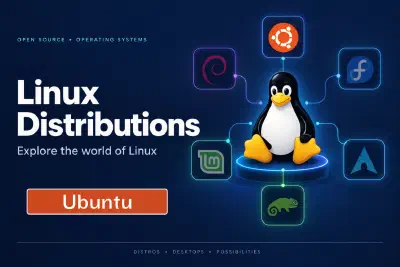
Linux Distributions: A Beginner's Guide to Ubuntu
What Ubuntu is, its history, LTS vs interim releases, Desktop vs Server, flavors, system requirements, pros and cons, and who should use it.
Why Open Source Software Matters: Key Benefits
Discover why open source software matters and the key benefits it offers developers, businesses, and everyday users.
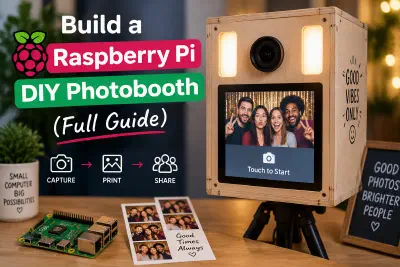
Build a Raspberry Pi DIY Photobooth (Full Guide)
Learn how to build a DIY Raspberry Pi photobooth with live preview, countdown capture, background removal, and event galleries.
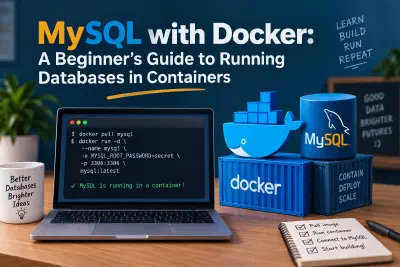
MySQL with Docker: A Beginner's Guide to Running Databases
Run MySQL in Docker: pull the official image, persist data with volumes, set environment variables, and connect from a client or app, step by step.
Docker for Beginners: Your First Steps into Containers
New to containers? Learn Docker basics for beginners, then build a Flask and MySQL app with Docker Compose step by step.
Learn VPS: From Server Basics to Your First Deployment
New to servers? Learn what a VPS is, how it compares to shared hosting, and how to deploy your first website on one.
Linux Distributions: A Beginner's Guide to Debian
What Debian is, its history, stable, testing and unstable branches, system requirements, APT, security, Debian vs Ubuntu, pros and cons, and who should use it.
Raspberry Pi for Beginners: First Steps in DIY Computing
New to Raspberry Pi? Learn what it is, how to set it up, and beginner project ideas for your first DIY computing board.
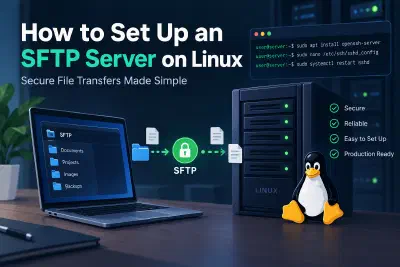
How to Set Up an SFTP Server on Linux
Step-by-step guide to setting up a secure SFTP server on Linux with OpenSSH, including chroot-jailed users, key-based authentication, and troubleshooting tips.
What Is SSH? A Beginner's Guide to Secure Remote Login with SSH Keys
Learn what SSH is, how it works, and how to set up passwordless login with SSH keys on Linux, macOS, and Windows, with hardening tips.
What Is Linux? A Guide to Its Distributions
Learn what Linux is, how distributions work, why it's free and secure, and how to choose the right distro, from Ubuntu and Linux Mint to Fedora and Debian.
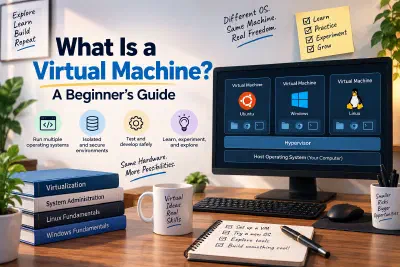
What Is a Virtual Machine (VM)? How It Works and Free Tools
A virtual machine is a computer running inside your computer. See how VMs and hypervisors work, why people use them, and the best free tools to start.

Samba Server: How to Install and Configure on Ubuntu
Step-by-step guide to installing and configuring a Samba server on Ubuntu for cross-platform file sharing with Windows and Mac.
How to Install Ubuntu Linux: Step-by-Step Guide
Step-by-step guide to installing Ubuntu Linux: download the ISO, create a bootable USB, and complete the install on your PC.